
We can arrange for you to come to an Artificial Limb Centre to talk to our team which can include prosthetists (who make and fit artificial limbs), physiotherapists, occupational therapists and nurses. We can also arrange for you to speak with someone who has had an amputation which can be organised through our Peer Support network.
Frequently Asked Questions (Artificial Limb Service)

If you've been told you need an amputation
What can I do to prepare myself for an artificial limb?
There’s a lot you can and must do to be able to use an artificial limb and use it well. Top priorities are:
- Working through your feelings about losing a limb and adjusting to life without a limb
- Exercising to keep good movement in your joints and to build up the muscles needed for balance and walking
- Taking care of your residual limb to help with healing
You will be advised by the therapy staff in the hospital on the above points before you go home.
What can I do to help my well-being?
As a new amputee you have a lot to deal with. The trauma of the amputation and the impact it has on your career, relationships, finances, sexuality, and self-esteem can be difficult to handle. Getting to grips with the emotional side of things can also help you to deal with the physical barriers. Getting out of the house and participating in life is essential to your long-term health and well-being.
Are there increased risks for other health problems?
Limb loss is usually the result of, rather than the cause of other health problems. However, since the loss of a limb can result in decreased activity, the risk of health problems associated with a lower activity lifestyle may be increased.
Residual limb and phantom pain, as well as skin problems associated with artificial limb use are also common.
Regular exercise and a healthy diet can help decrease the risks of other health problems.
After amputation - recovery and healing
What happens after the amputation? When will I walk again?
After the amputation, there will be a time of recovery, adjustment and rehabilitation.
Everyone is different so there’s no set time span for recovery and walking again. Recovery time is often determined by amputation level, your health and fitness.
Why are the bones in my stump becoming more prominent?
At first your limb will be swollen. As the swelling goes down, your bones will start to show more. Also, the muscles that used to move your limb will begin to reduce in size through lack of use which makes the bones seem more prominent. This is very normal and isn’t usually a problem.
Will the bone at the bottom of my stump take the weight?
The level of your amputation will determine where the pressure is taken but the bottom of your stump does not take the weight, although there may be contact in the socket. Every effort is made to ensure comfort and protection of your stump.
Understanding artificial limbs
What does an artificial limb look like? How will it stay on?
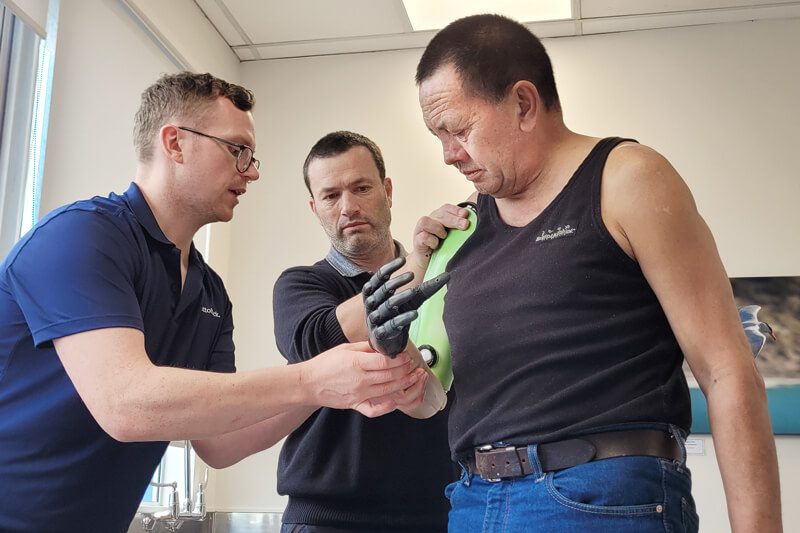
Each artificial limb is tailor-made for you, depending on the level of your amputation, your physical ability and your needs. Most standard artificial limbs are made of component parts attached to a socket that fits over your residual limb.
There are lots of different ways for the artificial limb to be held on to your residual limb. Your prosthetist will decide which method suits you best based on both the type of amputation, your activity level and the type of artificial limb you have.
How does an artificial limb work? Will I be able to do all the things I did before I lost my limb?
Your team will support you to learn how to use the artificial limb safely. Some people need to change how they do things compared to before their amputation or are no longer able to do certain things and for some people it is possible to return to all the things they did before.
Are bionic limbs available that can make me just like I was before?
There are lots of types of limbs and in some cases an artificial limb that incorporates microprocessor and mechatronic components (bionic limb) may be appropriate for you to achieve a higher level of functionality.
Although an artificial limb will not be as natural as your own limb, it can help you to do many things but still requires your strength, balance and understanding as it will not do the work for you.
It’s important to work with your team so they can design and fit your limb correctly and then train you how to use it.
Will the arm look natural?
Most artificial arms do not look completely natural and can have a mechanical look about them. Your arm will not hang completely straight due to the suspension required. You can often position the arm so that it rests in a natural position when, for example, you sit down. You can also use jewellery or a watch to make the arm look more natural.
What will I be able to do with my artificial arm?
With an artificial arm you may be able to perform many daily tasks, for example holding and stabilising objects, typing and dressing. However, it is important to note that not every artificial arm will help with typing and dressing. The activities you can do will depend on the type of artificial arm provided to you.
Why is the leg heavy?
Your artificial limb is actually much lighter than the leg that has been amputated. However, it feels heavy because it is not part of the body and is being moved by a shorter section of your remaining leg or arm. With a well-fitting socket and good suspension (how the limb is held on) it should not feel too heavy.
Living with an artificial limb (daily use and practicalities)
Is it difficult learning to use an artificial limb?
Learning to use an artificial limb can be challenging. It takes time, great effort, strength, patience and perseverance. You will work with a therapist while learning how to handle your new artificial limb. You will need guidance on how to:
- Take care of your artificial limb
- Put on (don) and take off (doff) your artificial limb
- Walk on different surfaces, including stairs and uneven terrain
- Handle emergencies safely, including falling down and getting up again
- Perform daily activities at home, at work and driving a car
- Investigate new things you may like to try, like sports and recreational activities
Will I need to use a wheelchair or crutches?
Some people choose not to use an artificial limb, relying on mobility devices.
However, even when you have an artificial limb, whether you also use crutches or a wheelchair depends on several factors including level of amputation, whether you have a single or bilateral amputation, and your level of balance and strength.
Most amputees have a pair of crutches for times when their limb is off, including night time trips to the bathroom, showering, participating in certain sports, and to help if the artificial limb needs to be left off for any length of time.
If you have lost both legs, you will use a wheelchair at least some of the time. Unilateral amputees may find it helpful to use a walking stick, walking frame or crutches for balance and support in the early stages of walking or just to have a break from the artificial limbs. The best advice will come from your therapist and is based on factors such as age, balance, strength and sense of security.
How long can I wear the leg for?
Everyone is different and has different levels of tolerance. Initially, you will have a structured programme designed to increase your tolerance to wearing the artificial limb. You will become more familiar with your own limits with practice.
Can I change the shoes I wear?
Yes you can, but the height of the heel and sole need to be similar unless you have a foot which is able to be adjusted at home – check with your prosthetist first.
Can I swim or shower with my artificial limb on?
No, because the parts inside the limb will corrode. It is better to swim without wearing your artificial limb.
My skin goes red when I wear the limb. Is this okay?
Certain areas of your socket will produce more pressure than other areas and your skin will tend to redden with this pressure. The redness should go away within around 20 minutes of removal of the limb. If the redness persists or is also itchy, contact your prosthetist for advice, he/she may suggest you see your GP.
Fit, comfort and maintenance of the artificial limb
What if my artificial limb doesn't fit right?
Follow-up is as important as the initial fitting. You will need to make several visits to the prosthetist for adjustments, as well as training with a therapist. Between them, they can help ease pressure areas, work out any problems, and enable you to regain the skills you need to adapt to life after limb loss.
Tell your prosthetist if your new limb is uncomfortable, too loose or too tight. Ask questions about things you need or want to do. Communicate honestly about your needs. The more you tell your prosthetist and therapist, the better you will be able to succeed with your artificial limb.
How long will my artificial limb last?
Depending on your age, activity level and growth, your artificial limb can last anywhere from several months to several years.
In the early stages after limb loss, changes in the residual limb can lead to shrinking. This may lead to a need for socket changes, the addition of liners, or even a different device.
Later on, increased activity levels and the desire for additional function can mean a change in the artificial limb or some of its component parts. Once you are comfortably set-up and the limb is working as you want it, it will only need minor repairs or maintenance and can last for an average of three years.
Once I have been fitted and feel comfortable with my artificial limb, what will happen next?
It’s best to plan on making follow-up visits to your prosthetist as a normal part of your life. Proper fit of the socket and good alignment are the keys to making sure that your artificial limb is meeting your needs. Artificial limbs, like cars, need regular maintenance and repair to keep working well. Even small adjustments can make a big difference.
Can the limb break down?
Yes, things can happen to your limb that will require repair or replacement, so it’s a good idea to contact your prosthetist if you think something’s not right and let him/her have a look at your artificial limb.
Get small problems with your artificial limb taken care of straight away. There’s no benefit to waiting until something falls apart or causes you serious skin breakdown. If you wear an artificial limb too long when it needs repairs or replacement you can do harm, not only to your residual limb, but also to other parts of your body. Strain on other muscles, especially in your back and shoulders, will affect both your posture and also the performance of the artificial limb and the energy needed to use it. Early prevention is more valuable than long-term treatment.
Can I choose what kind of artificial limb I want?
We will discuss your prosthetic prescription with you and then make the decision on your artificial limb in consultation with you. This is based on your lifestyle, activity level and general health.
Accessing Peke Waihanga
How do I get an appointment?
In most circumstances the hospital that did your amputation will send a referral for you to the Artificial Limb Service centre. The centre will then make an appointment for you. Sometimes (rarely) a referral is not done and no contact is made – in this instance, we accept referrals from a GP, health provider or from an amputee. Once you have made your initial appointment, further appointments can be made directly with the Artificial Limb Service centre and you do not need to go through your GP.
How will I get there?
If you are still an inpatient, the hospital will arrange transport for you either by ambulance or taxi. Once you are discharged, you will need to arrange your own transport. You can apply for travel assistance through ACC (if your amputation was the result of an accident), or through WINZ – Civilian Amputee Assistance. You may be eligible for Health New Zealand’s National Travel Assistance Scheme. This is for people who need to travel long distances or travel frequently. The Artificial Limb Centre has all the forms for you to claim back travel costs.
What happens when I get to Peke Waihanga?
You will be assessed by the clinical team who are: surgeon, physiotherapist and prosthetist. They will discuss your rehabilitation plan with you and assess your healing, strength, ability and importantly what goals you have. We take a plaster cast or measurements of your stump so we can begin to make your artificial limb. All artificial limbs are custom-made for each individual.
There will be several appointments for fitting before you receive your finished limb.
What do I need to bring to my appointments?
If you have a discharge report from hospital please bring it with you so we can put a copy with your records.
Please make sure you are wearing comfortable clothing, if you are an above knee amputee you may like to wear shorts (we appreciate you wearing underwear with substantial cover) as we will need to work intimately.
Please bring a pair of shoes to your fitting appointments.
Can I drive my car?
Depending on the site of amputation you might need an adaptive device to get driving. You will need to advise your insurance company that you are now an amputee. You might be required to undergo a driving assessment to ensure you are able to continue to drive safely. If you are concerned, please consult your GP.
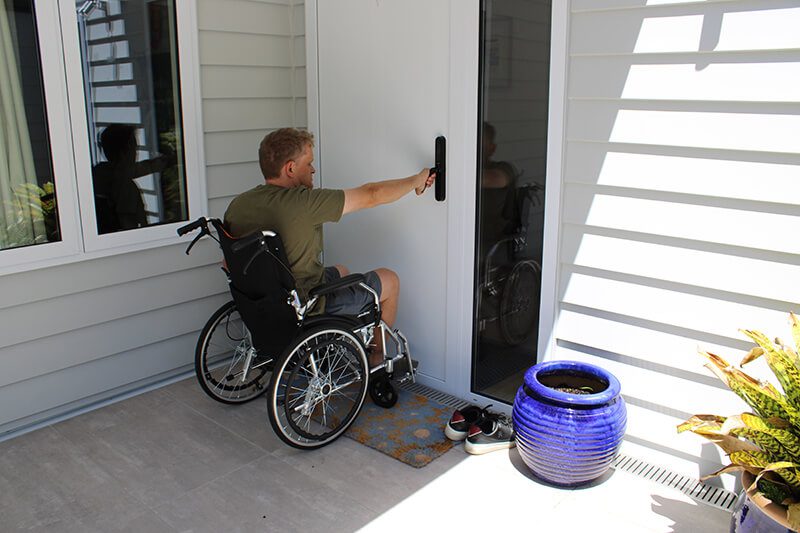
I can't get into my house or into the toilet/bathroom because of steps
Your house can be assessed by an Occupational Therapist. This is usually arranged by the hospital that did your amputation or by the rehabilitation facility. They will recommend any changes that need to be made. Housing Modification Services funded by Disability Support Services.

Understanding limb loss and general information
What are limb loss and limb deficiencies?
Limb loss generally refers to the absence of any part of an extremity (arm or leg) due to surgical or traumatic amputation. The term limb deficiencies means the congenital absence or malformation of limbs.
What causes limb loss and limb deficiencies?
Limb loss can occur due to trauma, infection, diabetes, vascular disease, cancer and other diseases. The causes of congenital limb deficiencies are frequently unknown.
What is involved in caring for people with limb loss and limb deficiencies?
Caring for a person who has undergone an amputation will depend greatly upon his or her overall health and strength. People who are candidates for artificial limb use will make several visits to their prosthetic facility to obtain a correctly fitting limb. Physical/occupational therapy or gait training may be needed to facilitate successful use of their artificial limb and other assistive devices to regain independence. Some new amputees may also need professional assistance with emotional adjustment to limb loss. Amputees whose health does not permit artificial limb use may require more assistance with mobility and transfers.
Costs, funding and eligibility
How much does an artificial limb cost?
In general, artificial limbs are free to New Zealand citizens and permanent residents. Special artificial limbs that may be needed for vocational and recreation purposes may be available under certain circumstances and can be supplied at the amputee’s own expense.
Non-residents will need to pay before receiving our services – the price varies depending on the artificial limb required – please call us for further information.
Can non-residents access your services?
Yes, non-residents can access our prosthetic services. However, all fittings, appointments, and ongoing care must take place in New Zealand, and the patient will need to be present in the country for approximately three months during the initial treatment period.
Do international visitors or non-residents need to pay for treatment?
Yes. Prosthetic services and devices are not publicly funded for individuals who are not New Zealand residents. As a result, all associated costs – including the prosthesis, rehabilitation, and ongoing maintenance – must be paid privately.
Am I eligible for support if I am not a New Zealand citizen or permanent resident?
If you are not a New Zealand citizen or permanent resident, you are not eligible for publicly funded support. While you may still receive treatment, it will be on a self-funded basis, and ongoing costs will apply throughout the lifetime of the prosthesis.
My baby was born with a limb difference but is not strictly an amputee - can you help?
Yes, we can usually assist with a prosthetic device from an early age, which will be determined by the clinical team at the Artificial Limb Centre.
Your support team
Prosthetist
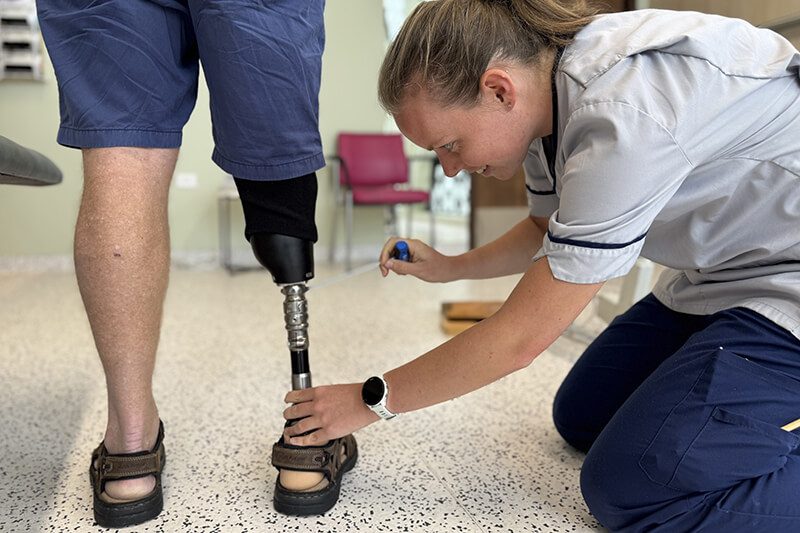
Assesses the patient and casts the amputated site, then builds the limb to the individual’s requirements.
Surgeon/Rehabilitation Specialist
Clinically assesses each patient for their suitability, progression and current to receive a prosthetic limb.
Physiotherapist
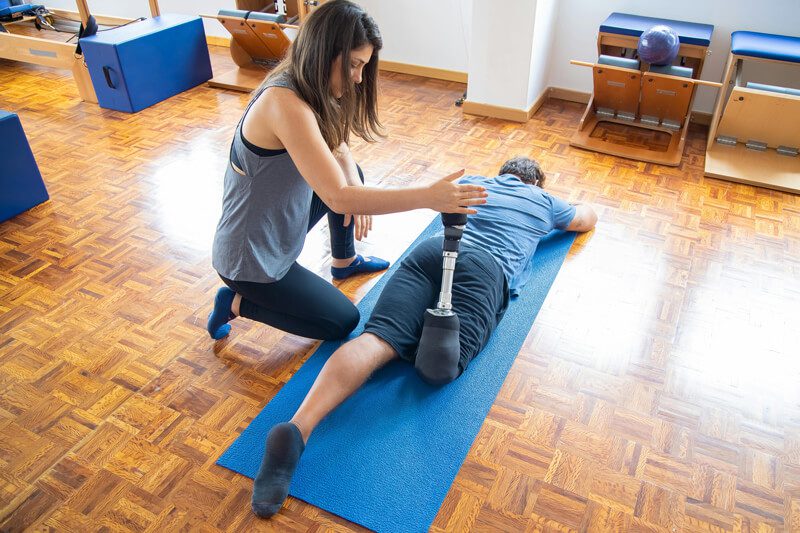
Assesses the patient’s current physical levels of ability and provides rehabilitation services.
The Physiotherapist will examine each individual and develop a plan using treatment techniques to promote the ability to move, reduce pain, restore function, and prevent disability where possible. In addition, Physiotherapists will develop fitness and wellness oriented programmes to aid each individual to increase mobility and live an active healthy life (PTA, 2003).
Occupational Therapist
The goal of the occupational therapist is to aid and enable the patient to participate in activities undertaken in everyday life.
Occupational Therapists achieve this by working with our patients to enhance their ability to engage in the occupations they desire, need, or are expected to do. This may require modification of the occupation or the surrounds/environment to better support the occupational therapy engagement (OTNZ-WNA, 2016)
ACC Case Manager
Ensures that each patient’s new limb is funded and assessed accordingly; and that there is capacity for the limb to be delivered in a timely manner.
Resources
Access a range of resources to help you understand and navigate the journey ahead.
Support services
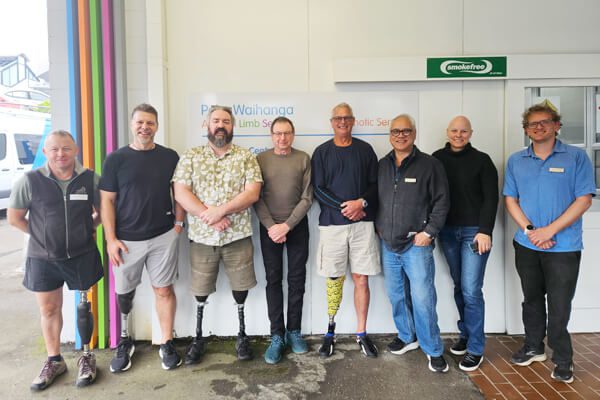
Access practical guidance and gain connections to others facing similar challenges.