
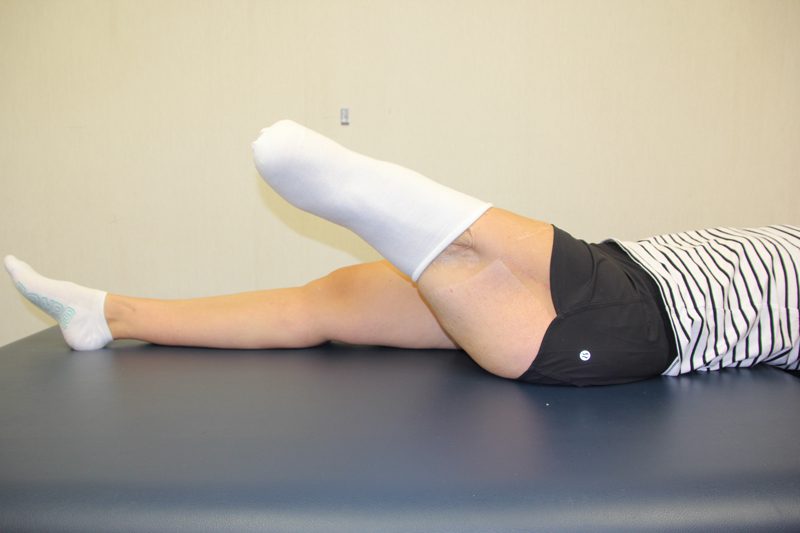
Physiotherapist

Physiotherapists are involved in the evaluation, fitting and use of the artificial limb (prostheses).

Physiotherapist careers

Their role is to:

  • Assess patients’ needs and goals
  • Develop and deliver evidence informed physiotherapy interventions
  • Collaborate closely with prosthetists, orthotists, nurses, occupational therapists, and other clinicians
  • Support prosthetic and orthotic rehabilitation
  • Ensure the patient is trained to use their artificial limb or orthoses to their full potential.

Physiotherapists are also responsible for developing a rehabilitation plan for ongoing support, and may make recommendations for further physiotherapy, counselling, occupational therapist programmes and other services where applicable.

A Physiotherapist will use international outcome measures to closely monitor the progress of a new patient during their first year following amputation.

Skills and knowledge

As well as excellent observational skills, Physiotherapists need:

  • Sound clinical reasoning
  • An understanding of the functionality of certain prosthetic components
  • Strong understanding of biomechanics, human anatomy, joint motion, pain management
  • Experience in rehabilitation (general or amputee), and confidence delivering evidence informed physiotherapy interventions
  • Excellent communication skills
  • Accuracy in clinical documentation

Physiotherapists are also responsible for developing a rehabilitation plan for ongoing support, and may make recommendations for further physiotherapy, counselling, occupational therapist programmes and other services where applicable.

A Physiotherapist will use international outcome measures to closely monitor the progress of a new patient during their first year following amputation.

Courses

There are two Physiotherapy degrees offered in New Zealand, at Otago University and at Auckland University of Technology.

Have a question?

For more information about roles and vacancies, please contact us at careers@nzals.co.nz.