"It's great to see worn out prosthetics. It means kids are living life to the full."
Upper limb prostheses and activity limbs unfortunately often fall outside available funding.
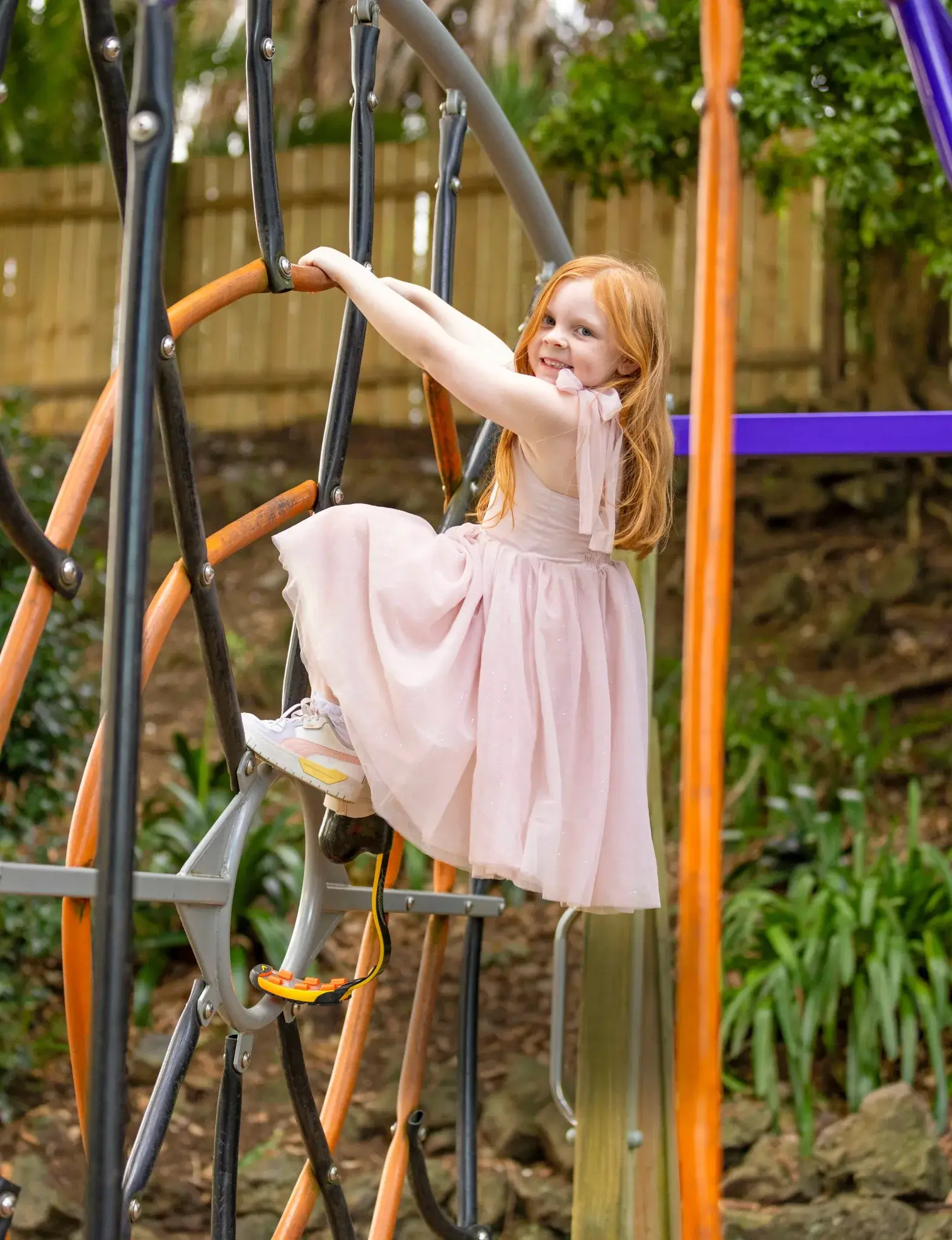
“Activity Limbs are crucial for children’s development but they cost thousands of dollars each,” explains Peke Waihanga Clinical Prosthetist, Kent Perkins. “The kids who start playing sport or get into running tend to stick with it and remain healthier, more active young people. An Activity Limb that is specific to an activity such as running, sports or a hobby can set them up for life.”
As children grow, their height and body weight changes and before long, they need the next size up – adding to the ongoing cost. “Plus, kids are hard on their prosthetic legs,” Kent adds with a smile. “It’s actually great to see them come in with a worn-out, well-used prosthesis. It means they’re out there, living life to the full.”
While Starship helps fund prosthetic devices beyond the standard options for many children, not all children meet the funding criteria. This means families often need to find other ways to cover the cost of specialised or additional prosthetic limbs.
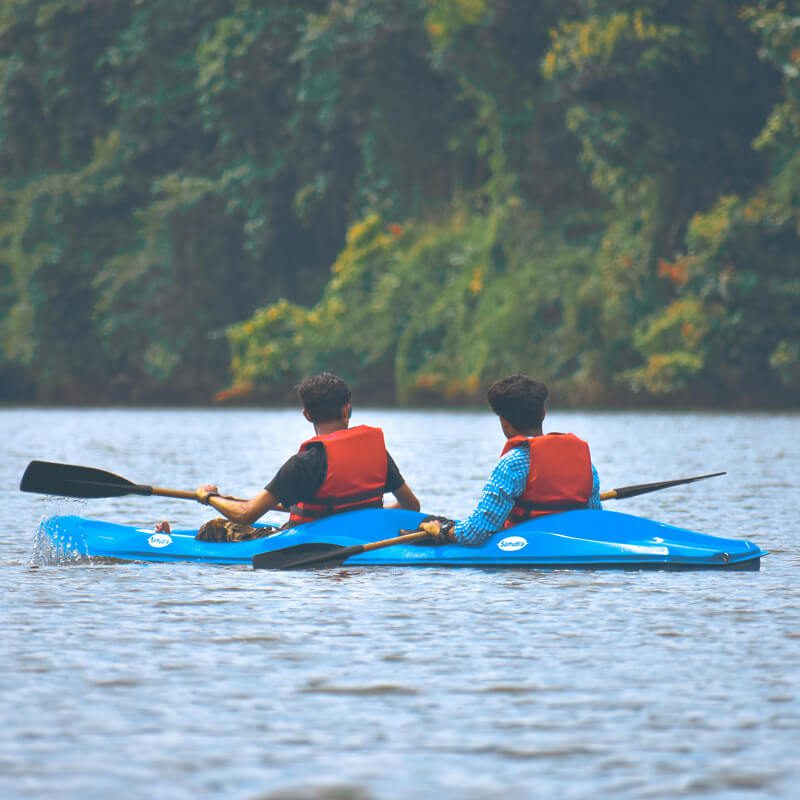
“Another area where funding makes a real difference is for upper limb devices designed for specific activities – like drumming, playing guitar, kayaking, martial arts, archery, or going to the gym,” says Kent. “I remember one case where a child was heading to school camp that included archery and kayaking. We were able to provide both an archery device and a kayaking device so he could join in and give everything a go. Without this kind of support, kids like him simply miss out.”
“It’s much better to get kids active young,” Kent continues. “It’s important for their physical health. If they don’t do activities, obesity can kick in and that’s much harder for them later in life trying to lose the weight.”
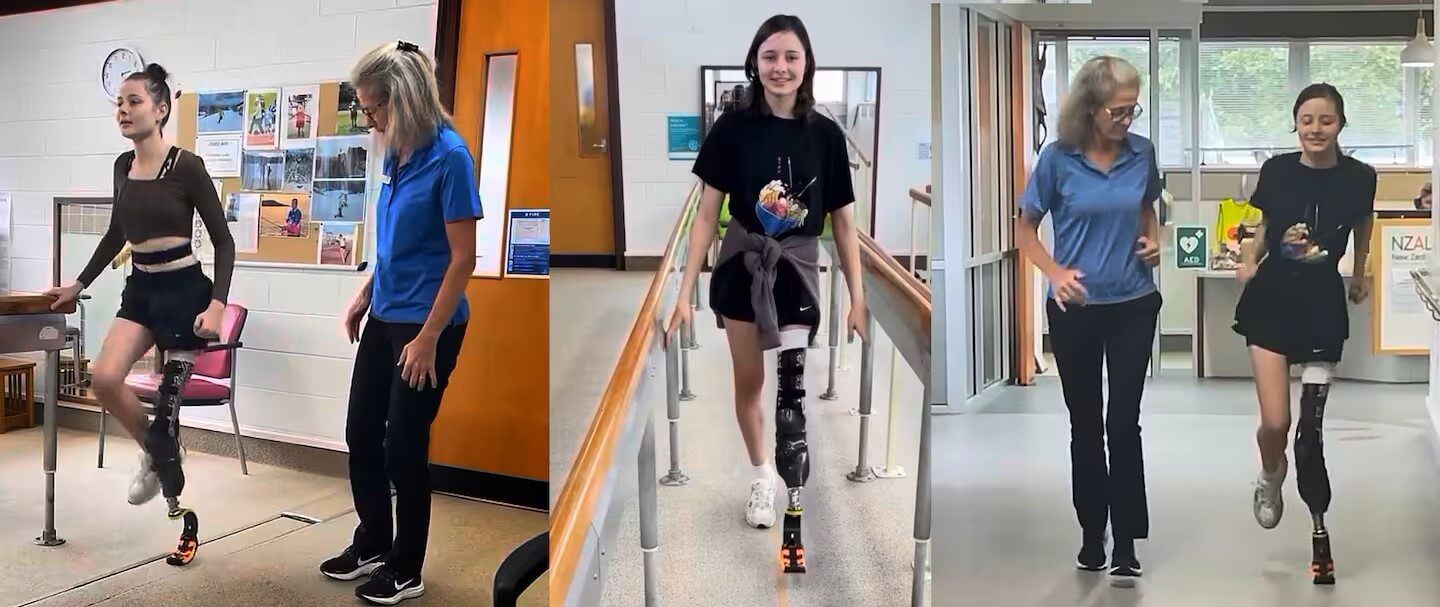
Kent recalls another patient – a young girl who received a running prosthesis with a carbon fibre blade thanks to the Foundation. “Her thigh muscles were weak to start with so she would always buckle her knee. Once she started using her running limb and with Physiotherapy help, she soon gained muscle strength and the extra power she needed to use it. She became far more active.”